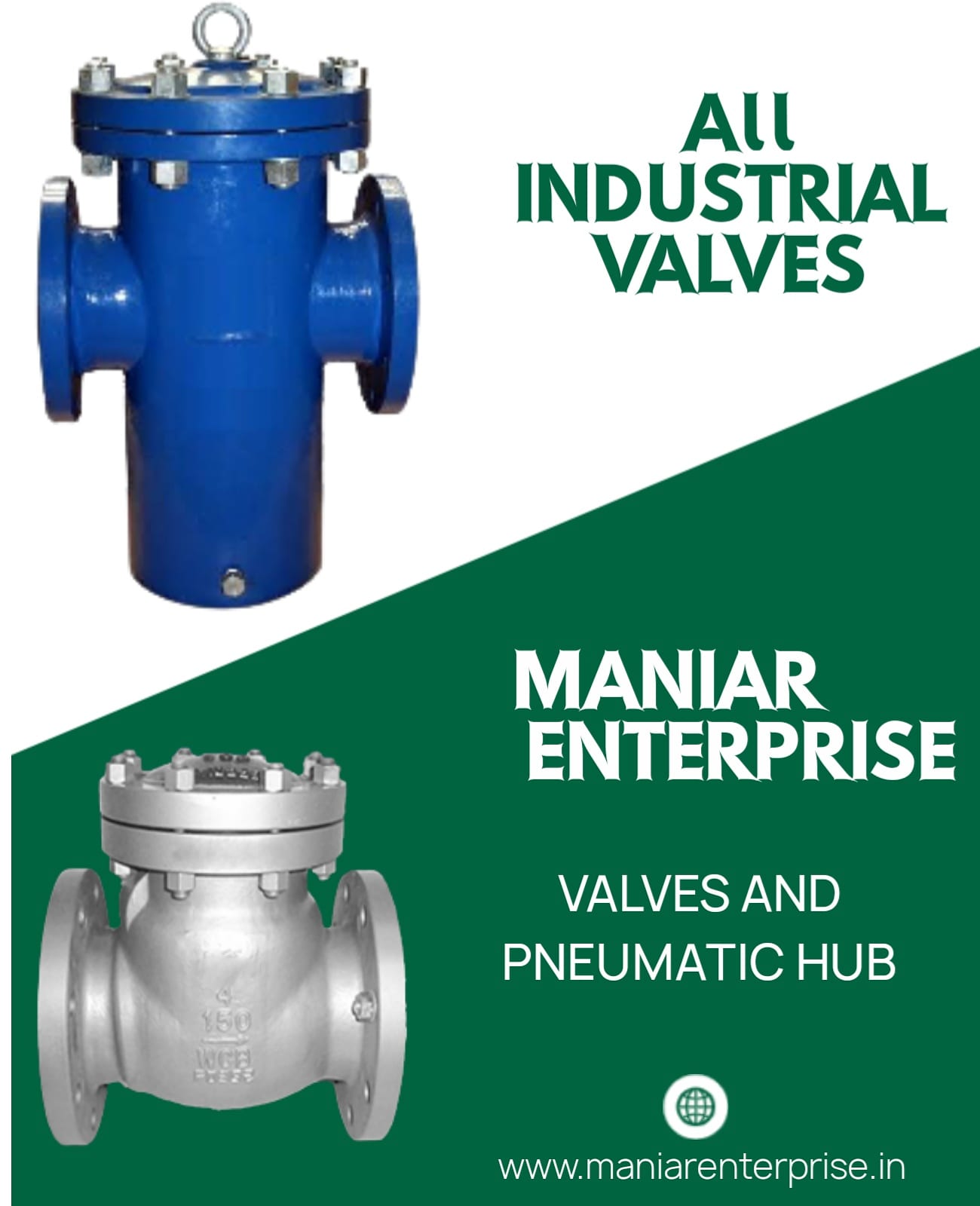
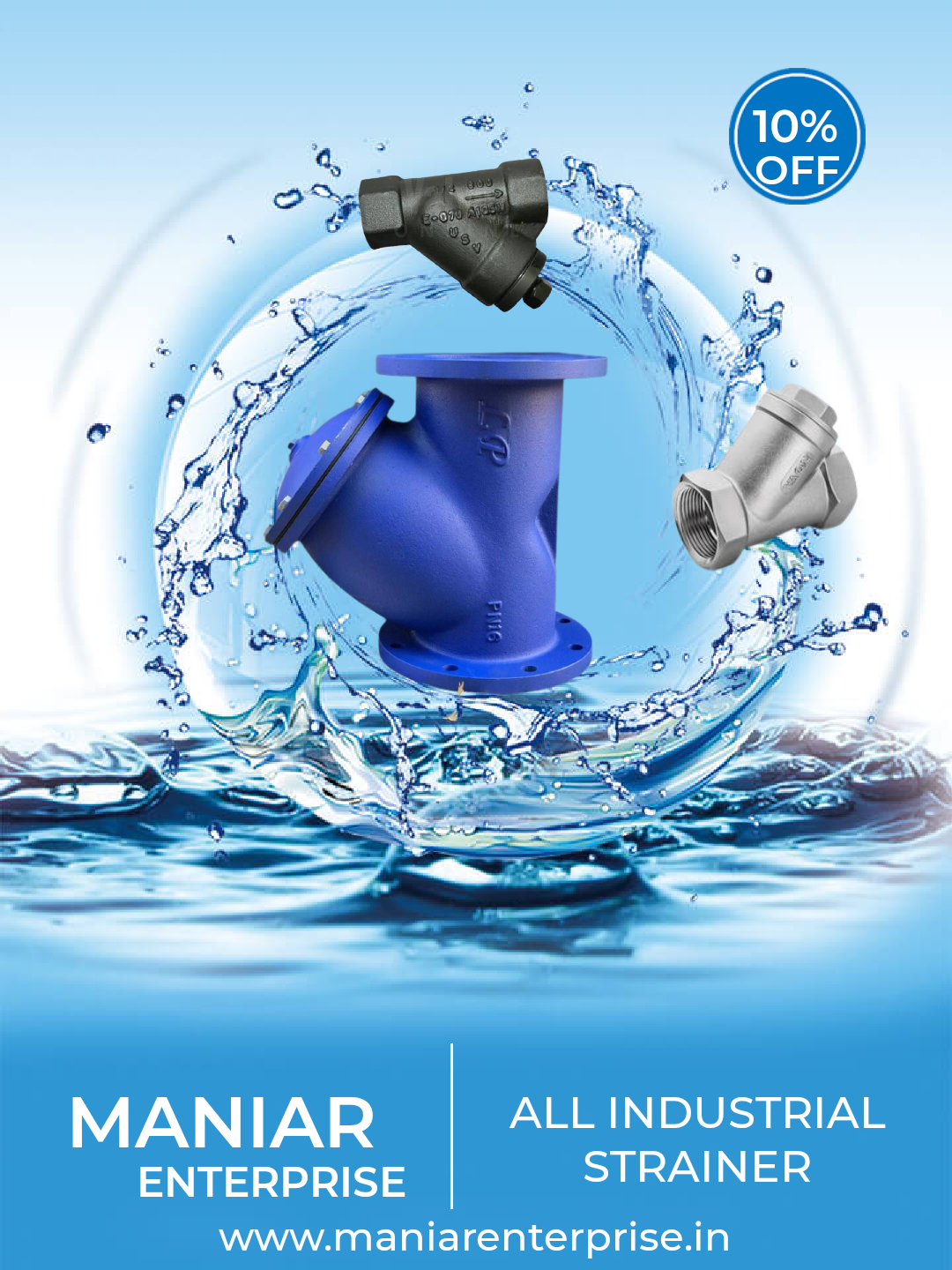
Industrial strainers are essential components in both industrial and residential environments, designed to remove impurities and solid particles from process flows. These strainers are crucial for maintaining the integrity of fluid systems across various applications.
Functionality of Industrial Strainers
Industrial strainers operate similarly to other filtration devices, providing coarse filtration in large pipelines. They typically consist of a wire mesh of different sizes supported by a perforated sheet. The mesh openings are smaller than the particles they capture, allowing fluids to flow through while trapping unwanted solids.
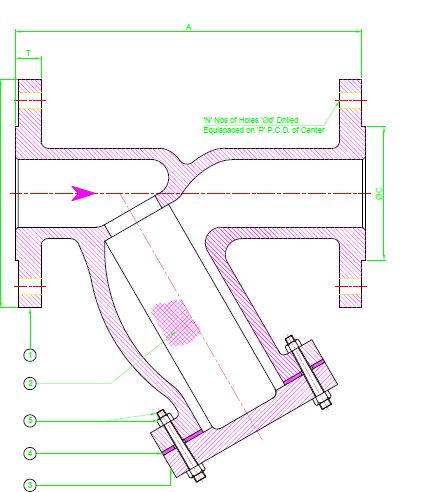
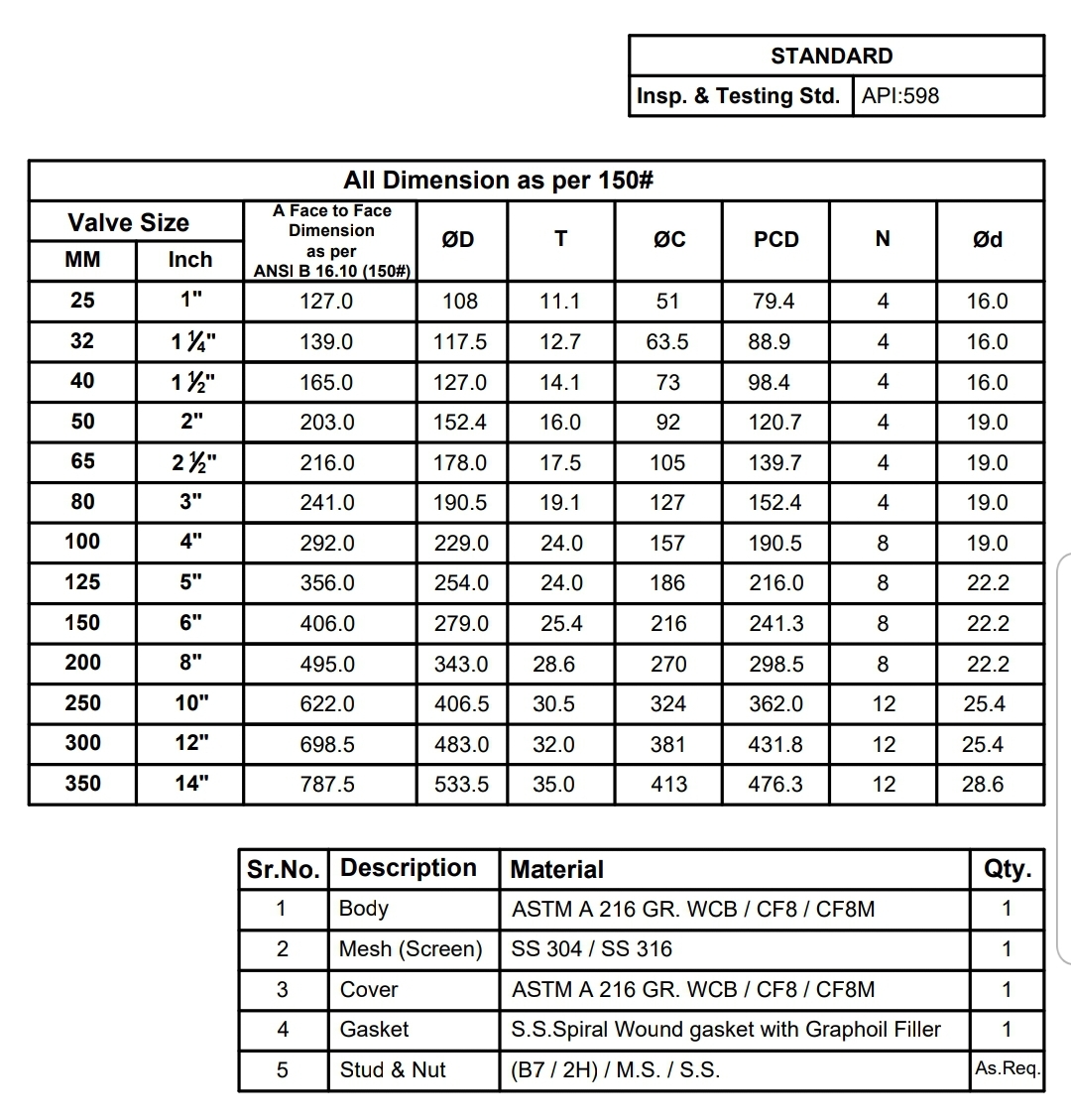
Industrial Strainer – Y Type Technical Diagram
We can supply different types of industrial strainer like Industrial Basket Strainer, Industrial Conical Strainer, Industrial Oil Strainer, Industrial Mesh Strainer.
150#
We can customize all types of industrial Strainer such as basket type strainer, Y type strainer, Pot type strainer, Oil Basket Strainer and all different pipeline strainers.
We can send customized Industrial Strainer Images with necessary technical details to ease your process. Under 24 hours we are able to provide all the industrial strainer prices to you.
300#
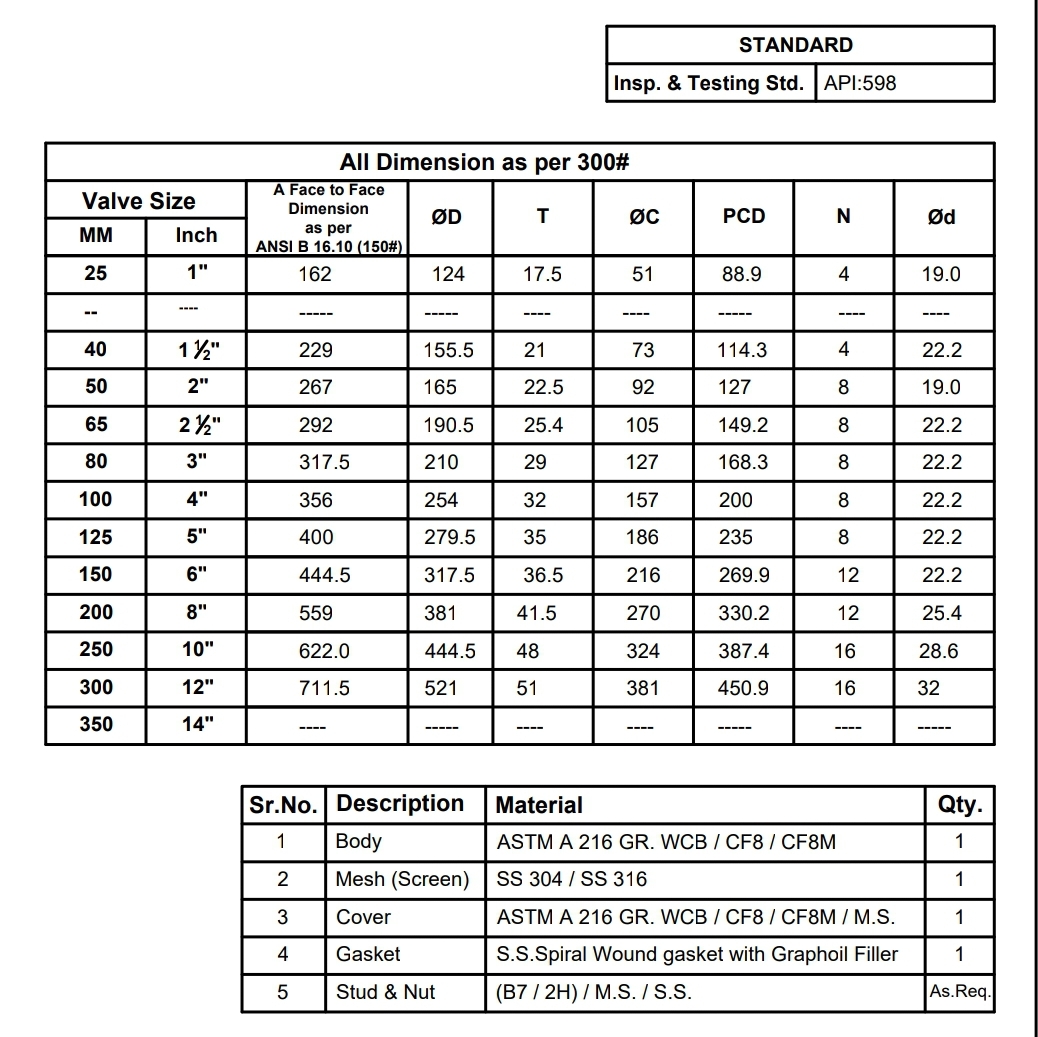
Applications of Y Type Strainers
Y type strainers are particularly advantageous in industries that require continuous protection against debris. They are commonly used in steam applications due to their ability to withstand high pressure. In liquid applications, Y strainers prevent damage or blockages caused by sand and gravel in water systems. They are also effective in natural gas and air applications under high pressure and temperature conditions. The materials used for Y strainers must be tailored to specific needs; for example, chrome-moly steel is recommended for high-temperature environments.
Industrial Basket Strainers
Basket strainers feature a perforated or wire mesh screen in a vertically oriented chamber, allowing them to mechanically filter out particles from liquids in commercial and industrial piping systems. They have a higher debris capacity and lower pressure drops compared to Y strainers, making them ideal for liquid applications. Common construction materials for basket strainers include iron, carbon steel, bronze, and stainless steel. Iron is chosen for its cost-effectiveness and corrosion resistance, while carbon steel is preferred in oil and petrochemical industries due to its durability. Bronze offers better heat resistance than iron but has limitations in temperature range, whereas stainless steel is optimal for industries concerned with corrosion. Basket strainers can be customized with various end connections such as threaded, flanged, or welded options.In summary, industrial strainers, including Y type and basket strainers, play a vital role in protecting equipment from contaminants and ensuring efficient operation across various industrial processes